The Role of Architectural Lighting in Rhode World
The best lighting design is rarely the first thing people notice.
Instead, they remember how a space made them feel.
Rhode World at Coachella is a perfect example. The activation became one of the festival's most talked-about brand experiences, generating an estimated $10 million in media impact value. While the headlines focused on the product launch, celebrity appearances, and beautifully branded environment, another element was quietly shaping every interaction: light.
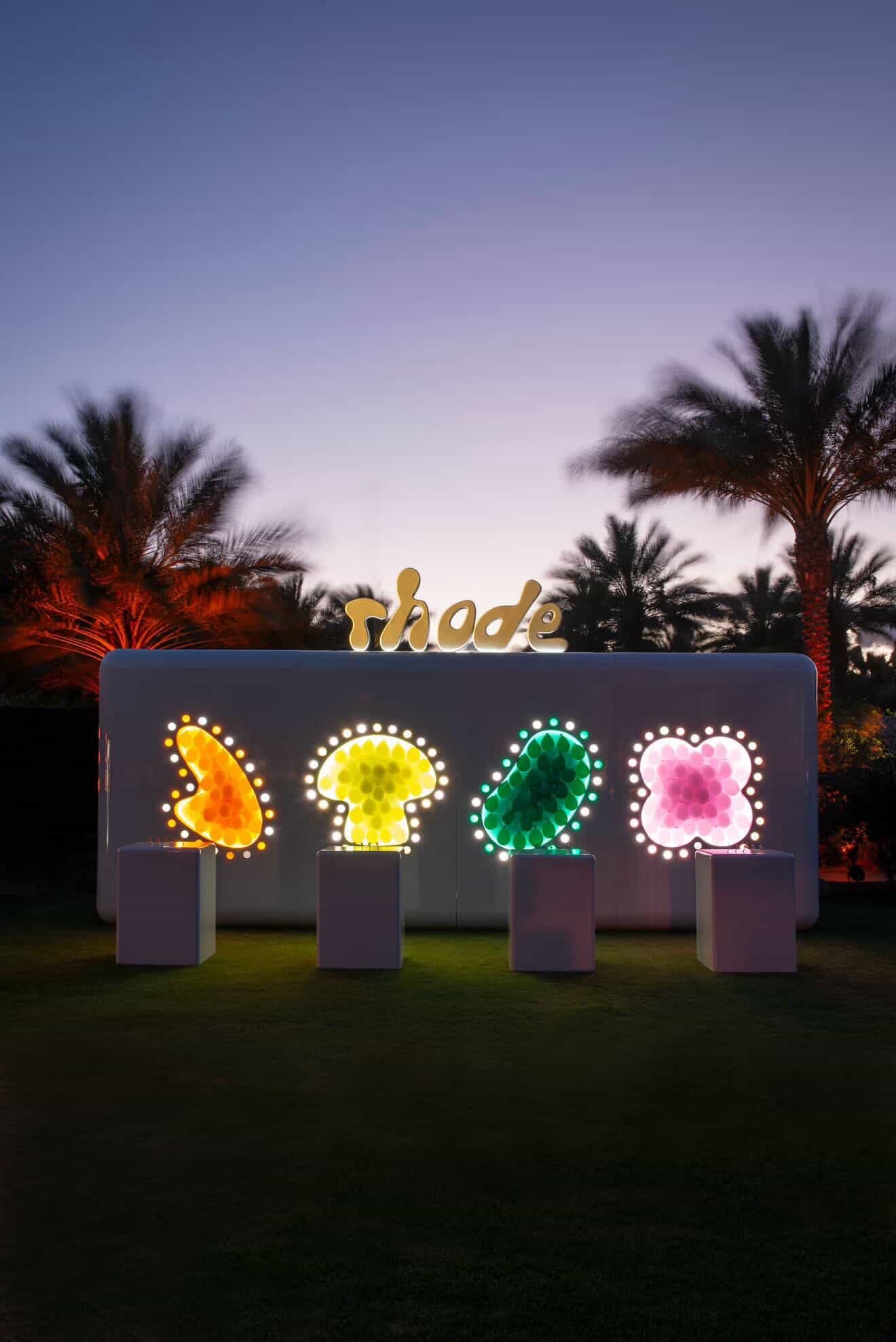
At Agapeh Lighting, our role was to develop the architectural lighting for the activation- an often unseen but essential layer that transformed a temporary structure into an immersive brand environment.
Lighting Is More Than Illumination
Experiential spaces have a unique challenge.
They must perform for guests walking through the space, photographers documenting every moment, creators filming content from every angle, and media capturing the event for millions of people who will never attend in person.
That requires much more than simply making a space bright.
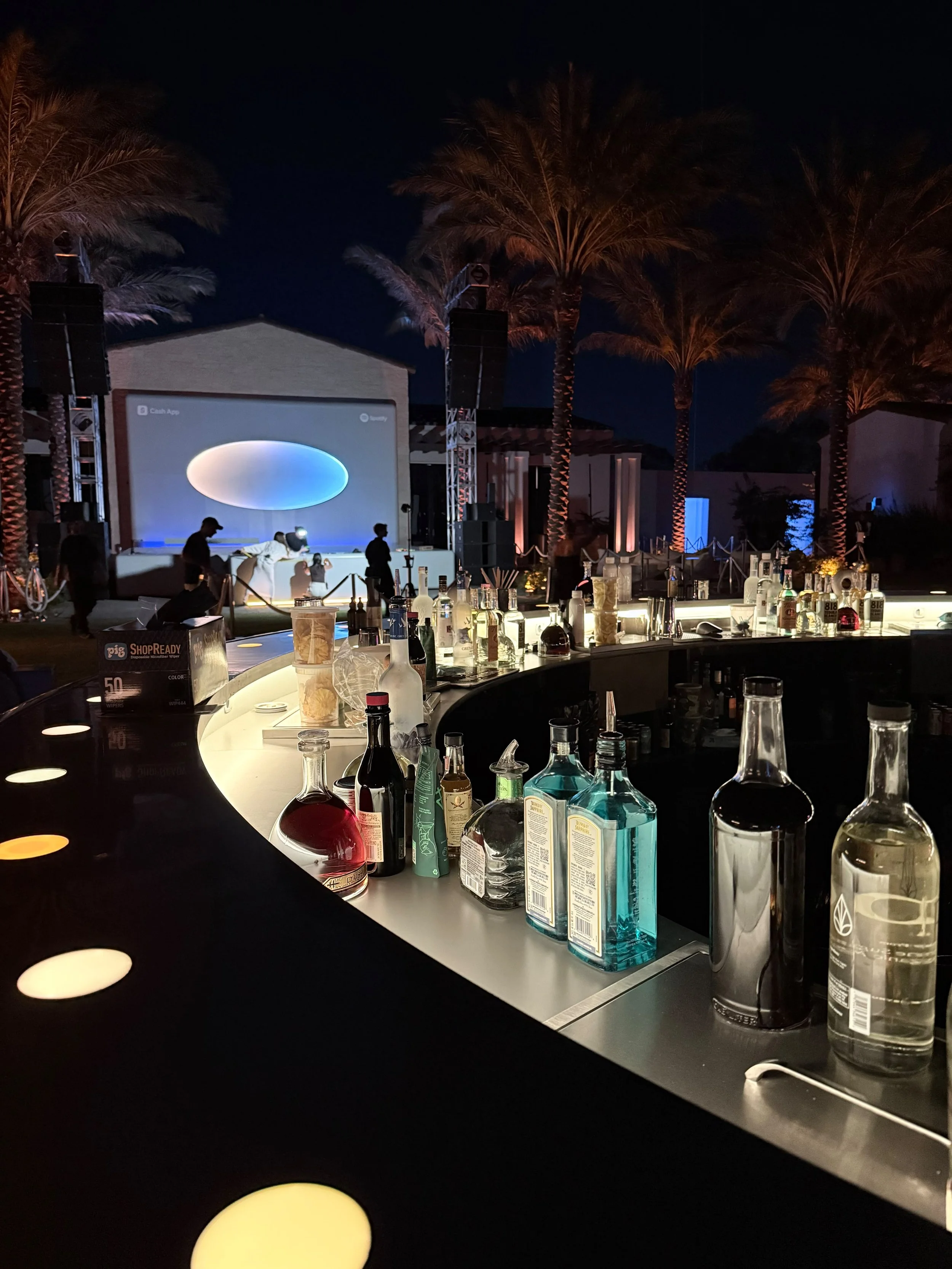
Every beam angle, color temperature, light level, and fixture location is carefully considered to create balance, highlight architectural features, flatter skin tones, reveal materials authentically, and maintain visual consistency throughout the day and into the evening.
When these elements are executed correctly, the lighting disappears.
The brand becomes the hero.
Designing an Environment That Lives Beyond the Event
Today's activations aren't measured solely by attendance.
They're measured by the quality of the content they generate and the conversations they inspire long after the event is over.
Architectural lighting plays a significant role in that success.
Well-designed lighting creates depth within a space, guides guests intuitively, establishes mood, and provides the visual consistency that allows every photograph and video to feel unmistakably on-brand. It quietly supports every interaction without competing for attention.
The result is an environment that feels effortless—even though every lighting decision has been carefully engineered.
Precision in Temporary Architecture
Designing for a festival activation presents a unique set of constraints.
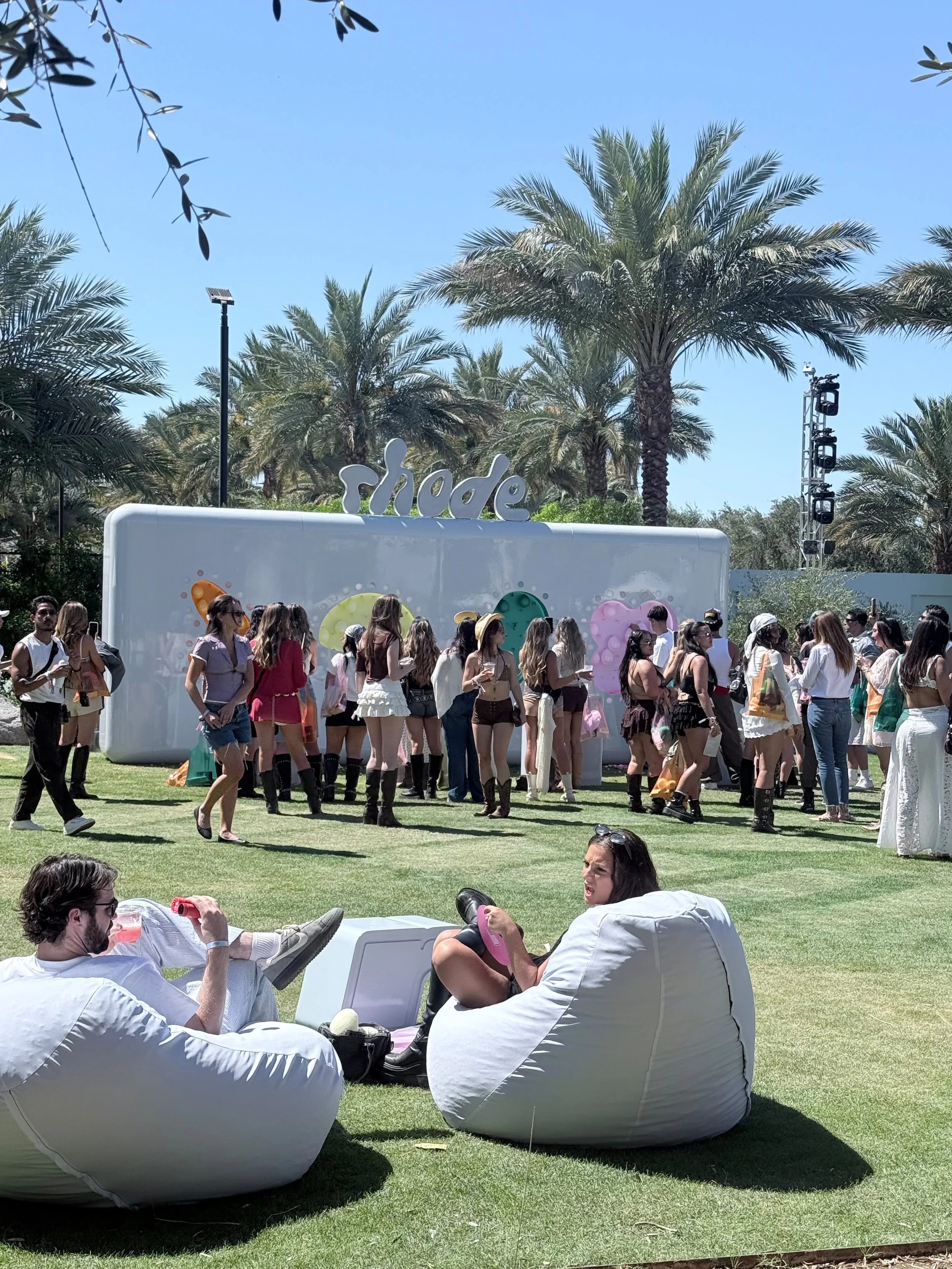
Unlike permanent architecture, every detail must be developed within compressed schedules, coordinated across multiple disciplines, and installed within tight construction windows. Fixtures need to integrate seamlessly into fabricated environments while maintaining both visual quality and technical performance.
Success depends on understanding not only light itself, but also architecture, fabrication, electrical coordination, installation sequencing, and the way people naturally experience space.
That level of precision is what transforms an activation from a temporary installation into an unforgettable environment.
Light as a Brand Experience
The strongest experiential projects recognize that lighting is not simply a technical requirement.
It is part of the brand language.
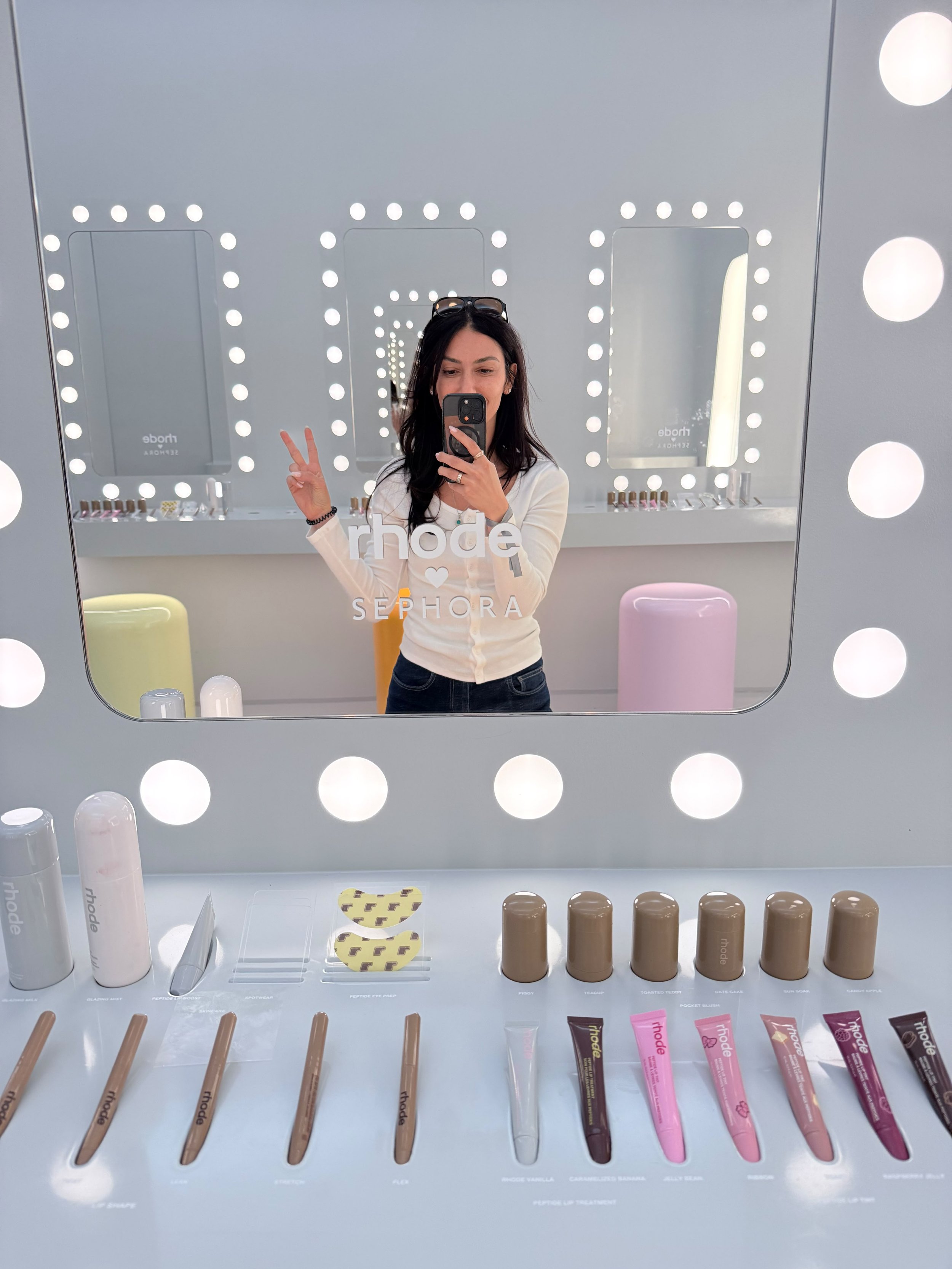
Light influences emotion before a guest interacts with a product. It shapes perception before a photograph is taken. It creates an atmosphere that people remember long after they've left the space.
At Agapeh Lighting, we approach experiential projects with that philosophy in mind.
Because the most successful environments aren't remembered for the fixtures they used.
They're remembered for how they made people feel.