Invisible Light: Protecting Design Intent Through Architectural Integration
Every architect and interior designer has faced it.
Lighting introduced too late. Fixtures that compete with clean lines. Glare that flattens materials. A space that looks right on paper but feels wrong once it’s built.
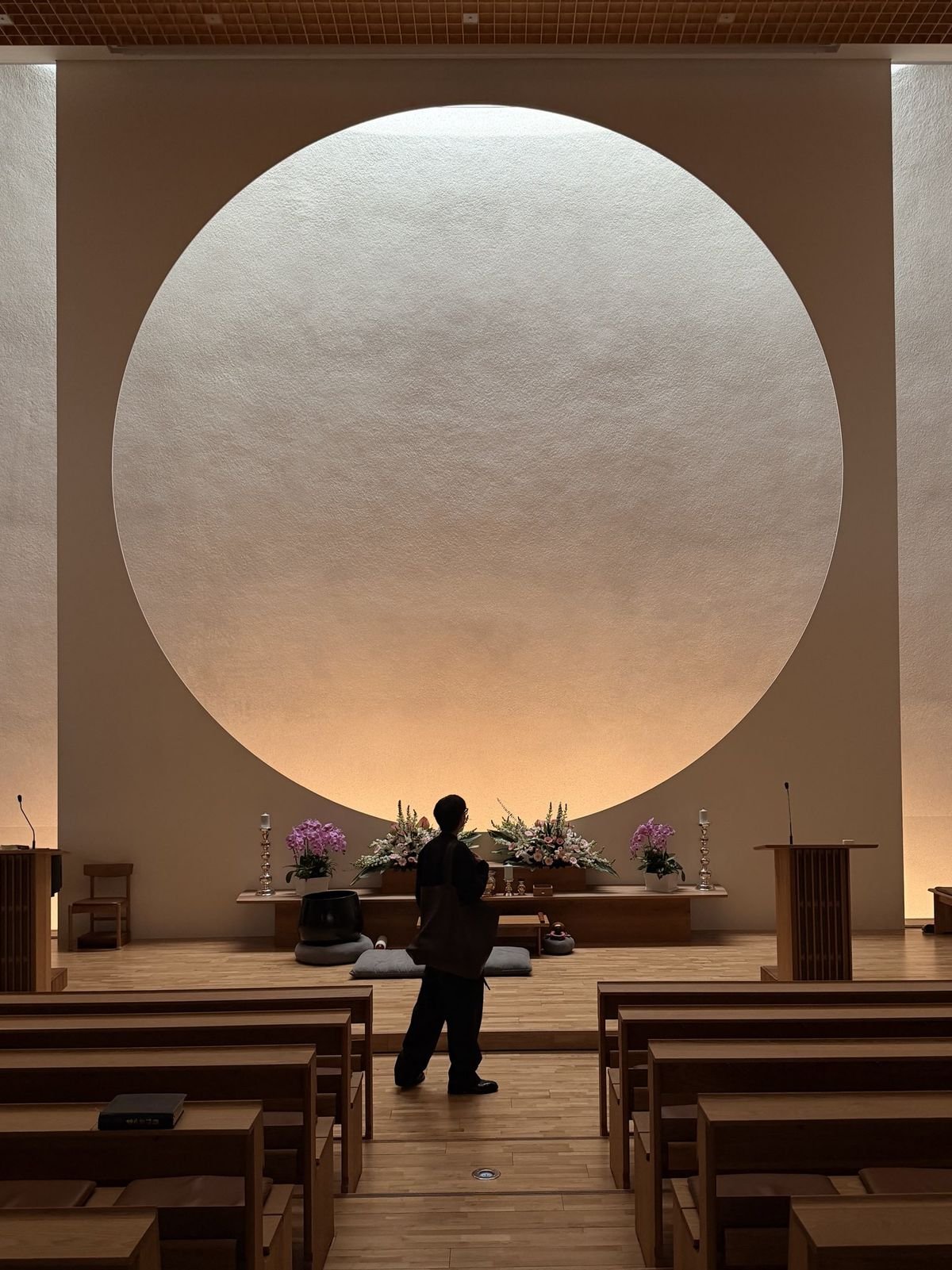
In the most successful projects, lighting is felt more than it is seen. This approach, often called invisible light, exists to protect design intent. It allows architecture and interiors to remain the focus while light quietly shapes mood, enhances materials, and guides movement without calling attention to itself.
What Is Invisible Light?
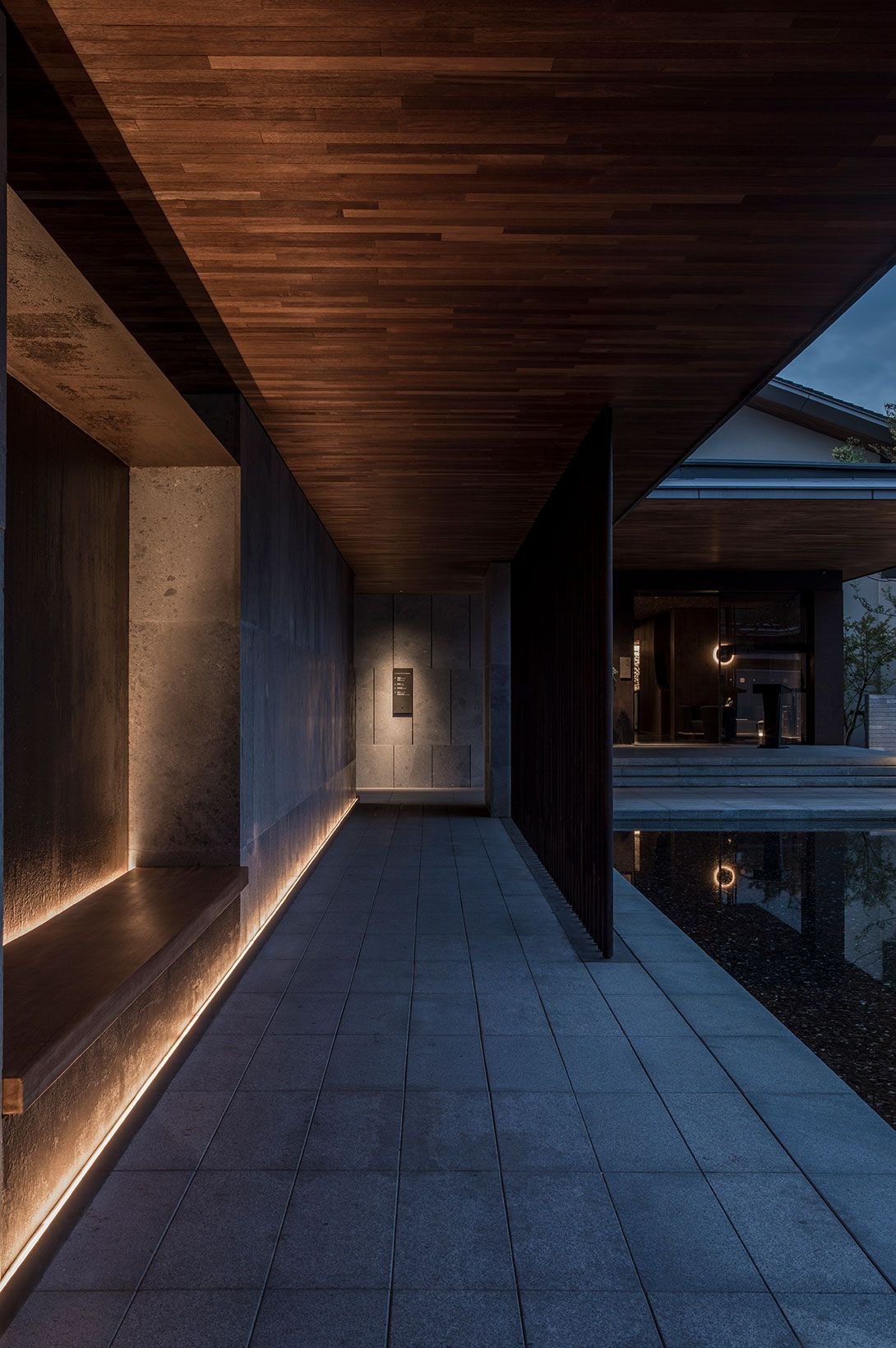
Invisible light refers to lighting strategies where fixtures are concealed, recessed, or integrated into ceilings, walls, millwork, façades, and landscapes. Instead of highlighting the fixture, the emphasis is on what the light reveals: form, texture, color, and spatial depth.
This approach addresses common designer concerns:
Visual clutter in clean architectural spaces
Overlighting that washes out finishes
Harsh glare that undermines comfort and experience
Invisible light is central to modern lighting design in both commercial architectural lighting and high-end residential projects.
Architectural Integration Starts Early
Lighting issues rarely come from bad fixtures. They come from late decisions.
Successful interior lighting design and exterior architectural lighting require early collaboration between the architect, interior designer, and lighting consultant. As a dedicated lighting design firm, we integrate lighting early to ensure that:
Fixtures align with architectural intent
Light sources remain discreet and controlled
Materials are enhanced rather than overwhelmed
This is especially important in residential lighting design, where atmosphere defines livability, and in commercial architectural lighting, where clarity and comfort directly affect performance and brand experience.
Techniques That Reduce Risk and Elevate Design
Recessed architectural lighting maintains ceiling clarity while delivering glare-controlled illumination.
Indirect lighting creates visual comfort and softens contrast without sacrificing architectural expression.
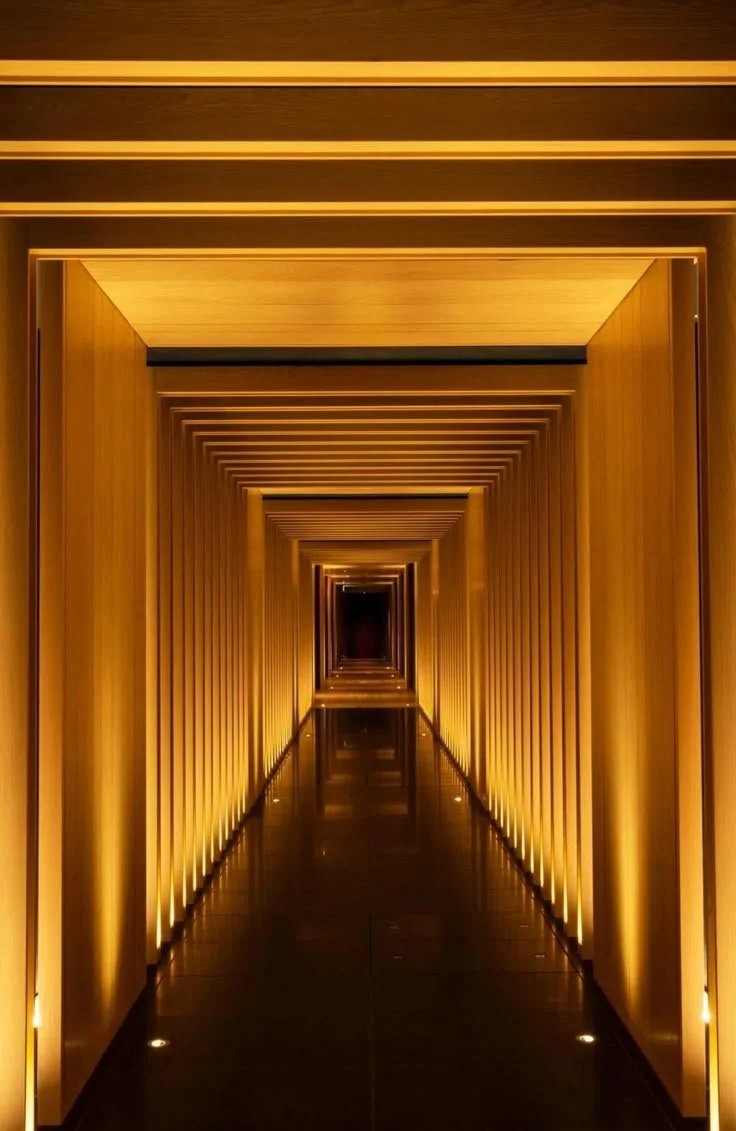
Linear lighting solutions disappear into coves, millwork, and reveals, providing precision and flexibility through LED architectural lighting.
Wall washing and accent lighting preserve architectural rhythm while highlighting texture and art.
Suspended lighting systems, when used, are carefully scaled and positioned to support the architecture, not dominate it.
Each technique exists to serve the space, not distract from it.
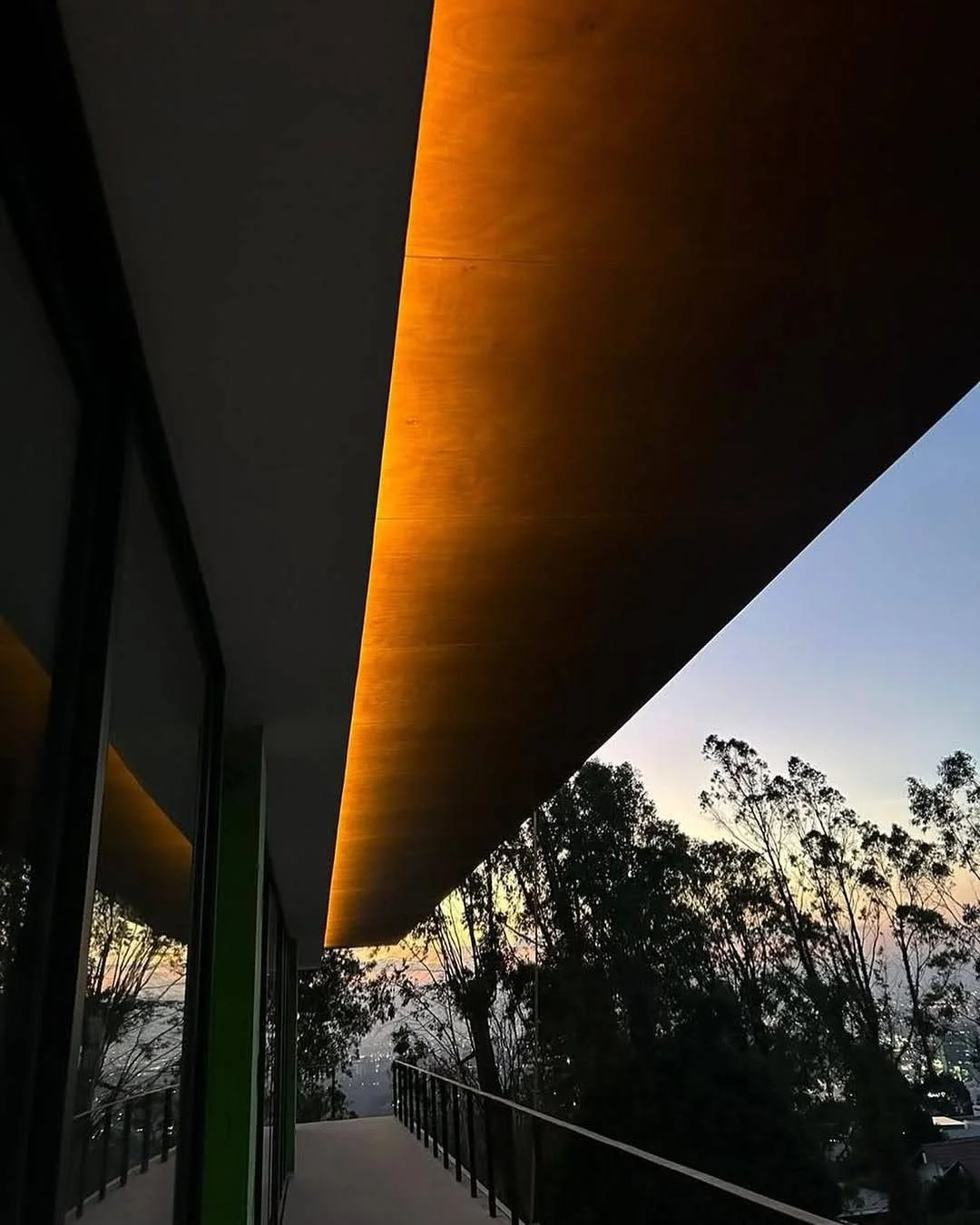
Photo by Tyler Chartier.
Residential and Commercial Applications
In high-end residential lighting, invisible light allows homes to transition naturally from day to night through smart lighting systems, tunable white technology, and scene-based controls. The result is comfort, adaptability, and visual calm.
In commercial architectural lighting, invisible light supports brand identity and user experience through comfortable illumination, reduced glare, and flexible lighting scenes. Exterior applications, including façade lighting and landscape lighting installation, rely on concealed sources to enhance form, circulation, and safety without visual noise.
Sustainable by Design
Invisible light naturally supports sustainable architectural lighting solutions. LED architectural lighting, precision optics, and intelligent controls reduce energy use while improving long-term performance and durability. This reassures clients focused on operational efficiency without compromising design quality.
Why Work With a Lighting Consultant?
A lighting consultant’s role is to reduce risk, not add complexity. Beyond a lighting contractor, a lighting designer provides:
Protection of architectural intent
Fewer coordination conflicts
Improved visual comfort and energy efficiency
Spaces that feel intentional and timeless
Invisible light is a safeguard for your design, not an embellishment.
Invisible Light as a Design Strategy
Invisible light is not about doing less. It is about making deliberate decisions that allow architecture to speak clearly. When lighting is integrated thoughtfully, it becomes a silent collaborator that enhances how spaces feel, function, and endure.
At Agapeh Lighting, we help architects and interior designers protect their vision through integrated, architectural lighting design.
Let’s collaborate early.
If you’re planning a new build, renovation, or commercial project and want lighting that supports your architecture rather than competes with it, schedule a lighting consultation with Agapeh Lighting and let’s design it right from the start.